


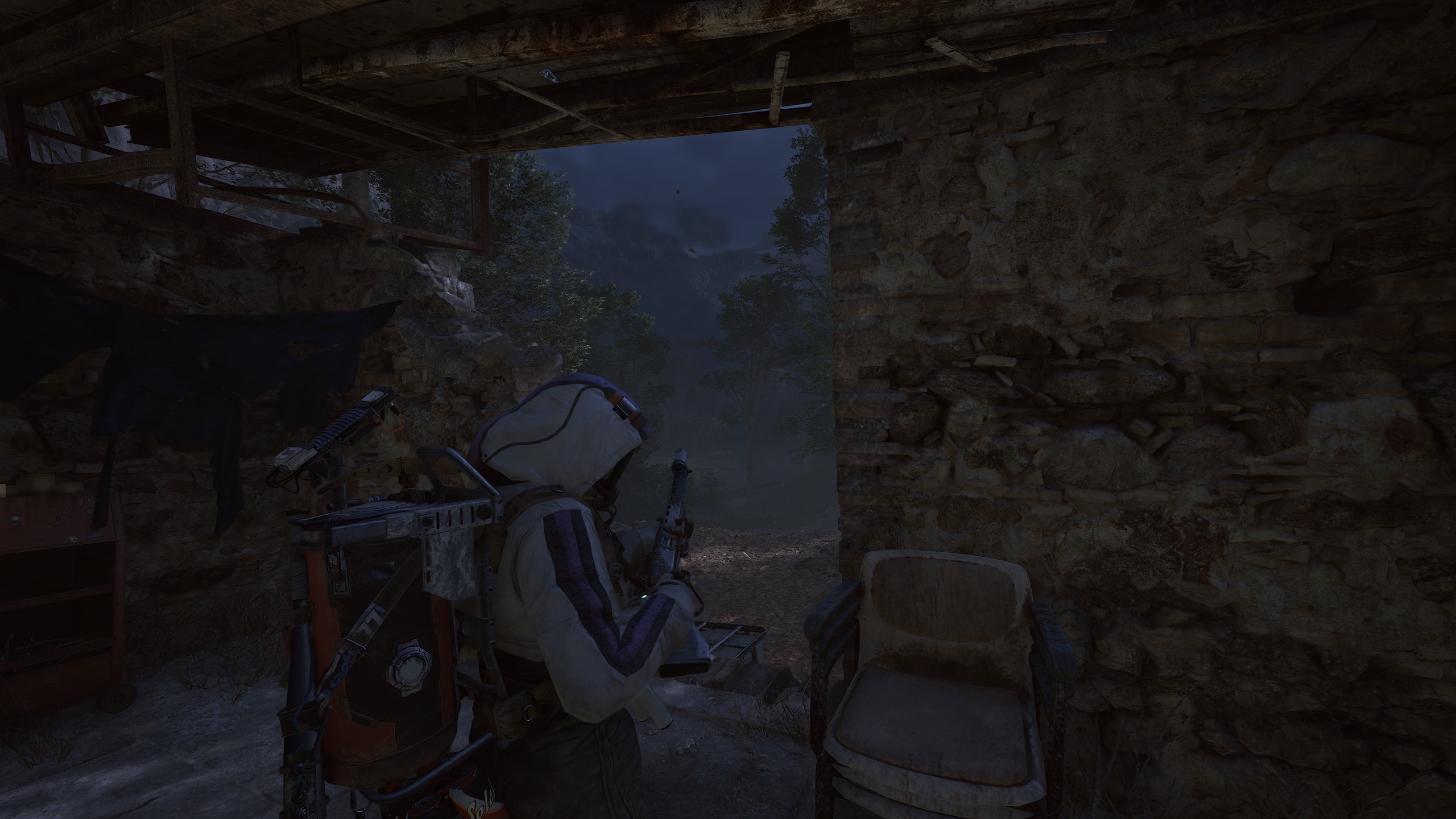
The operational landscape of the Resistance is not static; it is constantly reshaped by external development—particularly major updates to weapon parameters, referred to as **Kinetic Parity Adjustments (KPA)**. These adjustments, while originating outside the immediate battlefield, necessitate immediate, dramatic shifts in the Player-Driven Meta. **Meta Shift Analysis (MSA)** is the discipline of monitoring the community’s rapid tactical adaptation to KPA, ensuring that the theoretical efficacy of weapons remains synchronized with their practical application on X-Isle.
This analysis examines the predictable chain reaction following a KPA, detailing how changes in weapon metrics immediately alter role viability, resource allocation, and overall strategic doctrine (AWD).
The KPA Ripple Effect: From Metric to Meta
A KPA is never isolated. A change to a single weapon‘s recoil (RKI) or damage output (KOD) creates a ripple effect across all established Raider doctrines:
- **Role Viability Shift:** If the DM rifle’s precision is penalized, the Disruptor/Assault role must compensate by increasing CQC aggression and gadget use.
- **Resource Reallocation:** If a weapon becomes less kinetically efficient, its ammunition is immediately de-prioritized in Logistical Planning Optimization (LPO), and resources are shifted toward a newly viable platform.
- **Tactical Degradation:** If the efficacy of a previously dominant tactic (e.g., rapid-fire suppression) is penalized, the entire combat approach shifts toward caution and slow engagement (ASW).
MSA and the Law of Minimal Resistance
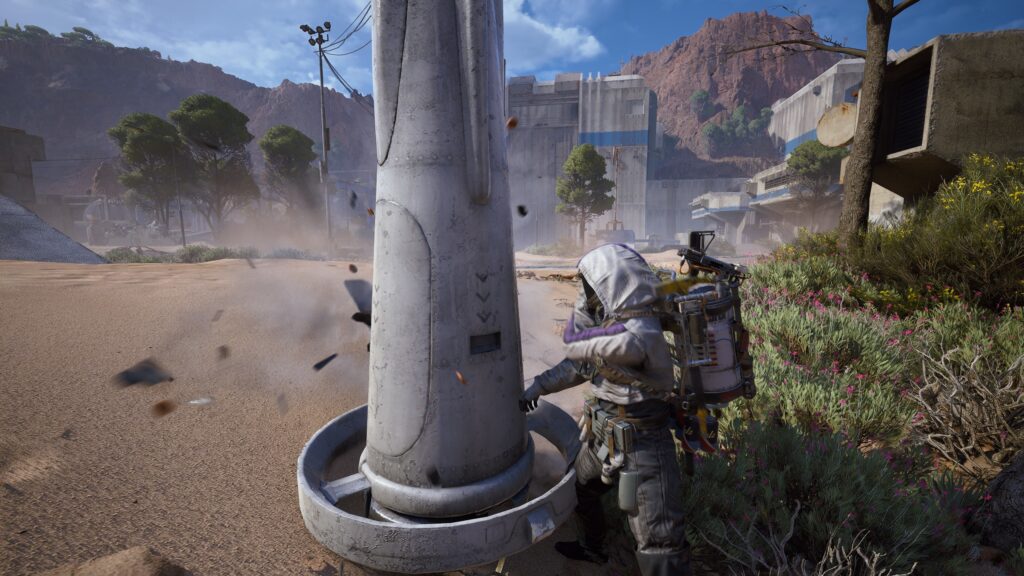
MSA operates under the “Law of Minimal Resistance”—Raiders will always gravitate toward the most efficient means of defeating ARC. If a KPA makes Golem takedowns via Fusion Charges more difficult, the Meta shifts away from Golem hunting toward easier objectives (e.g., eliminating high-density Swarms) until a new, efficient Colossus Vitiation Theory (CVT) is developed.
The Feedback Loop: Adaptation to AAD
KPA often follows periods where Raiders discover an exploit or an unintended kinetic superiority (e.g., a specific ammunition type dealing excessive damage). In this context, the KPA acts as an external reinforcement of ARC’s own Adaptive Algorithm Deployment (AAD), forcing Raiders back into a state of flux and reinforcing the need for continuous technological adaptation.
| KPA Action | MSA Observed Meta Shift | Affected Doctrine |
|---|---|---|
| **Increased Recoil on Assault Rifles** | Shift from sustained fire to controlled bursts and CQC mobility (Slide-and-Shoot). | Kinetic Overmatch (KOD); RKI Analysis. |
| **Reduced Salvage Yield from Tier II Units** | Increase in high-risk hunts targeting Tier III assets (Warden). | Resource Conversion Theory (RCT); LPO. |
| **Gadget Charge Time Reduction** | Increased viability of sustained disruption (Jammer saturation). | Network Interdiction Strategy (NIS); TCT. |
The Role of the Community Hub in MSA
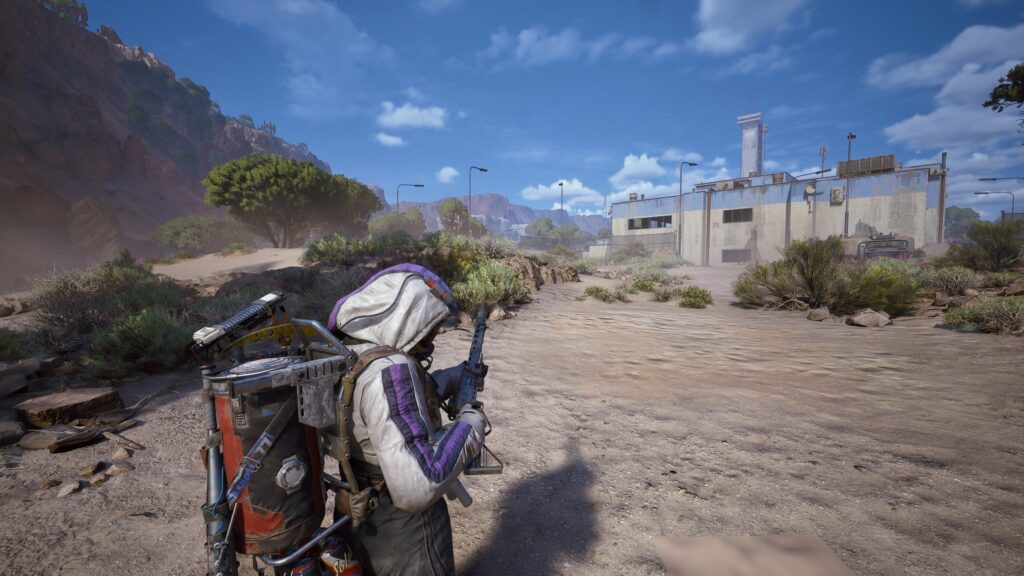
The Community Hub is the laboratory for MSA. Following a KPA, Raiders utilize the Hub’s shooting range and knowledge exchange (CP) to rapidly test the new parameters and codify the most efficient workarounds, ensuring the collective intelligence quickly adapts to the external pressure.
Conclusion: The War of Equilibrium
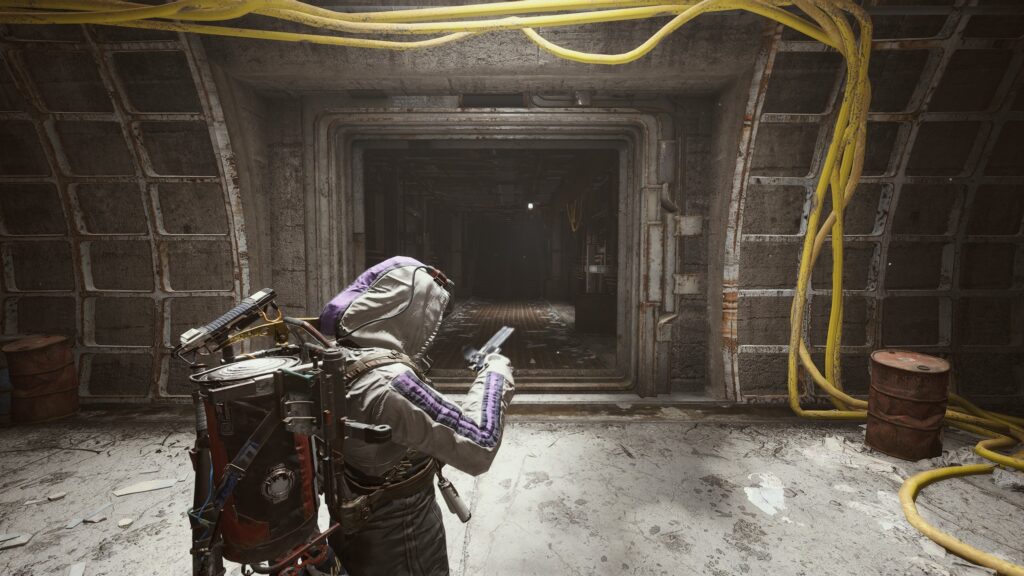
Weapon balance patches are a continuous test of the Resistance’s fluidity. MSA confirms that the Raider community is adept at overcoming these external shocks. By rapidly adapting loadouts, refining tactical sequence, and prioritizing the new most efficient means of destruction, Raiders maintain the delicate asymmetrical equilibrium necessary for survival.
